Why the easement is needed
When we went out to secure this transmission line easement, we had to account for and acquire the area that the lines will need to have clearance for movement in a wind storm. These are electrical requirements that we need to protect the line. The single power pole itself is the only physically intrusive part of the easement — a 5 or 6 foot diameter pole depending on whether it's a transmission or distribution pole.
The other portion of the easement, for all practical purposes, is air space. We need to maintain an area approximately 35 to 40 feet out from the pole and up into the air so no structures are built in proximity to the line, like a cell tower that could get tangled in the lines during a severe wind storm.
Paying landowners fairly
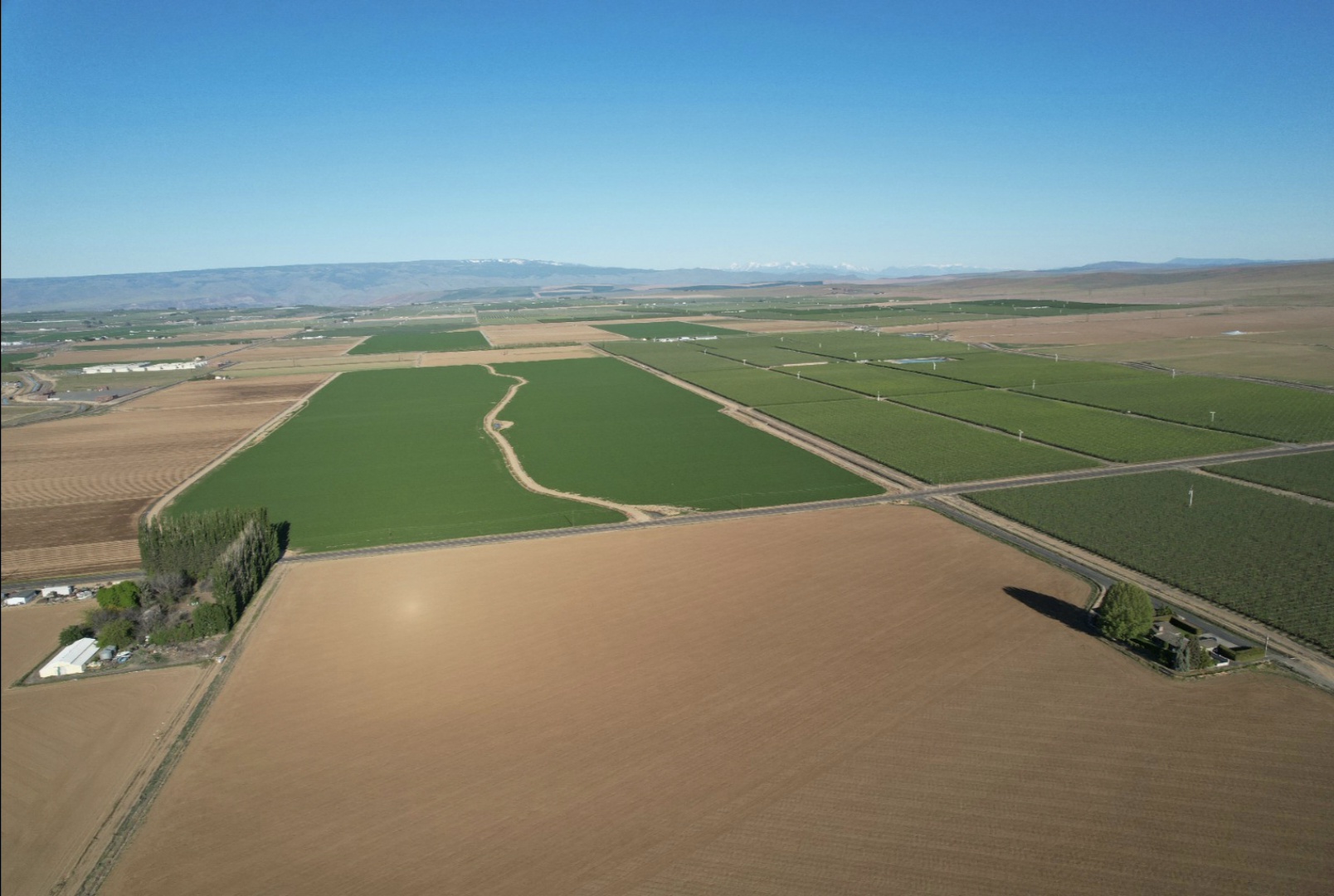
On this route and other roadways in Grant County, the County already has a 25 foot area from the edge of its right-of-way that landowners are not allowed to build on. Our ask was approximately another 15 feet beyond the County setback — but we are paying for the entire 35 to 40 foot easement, because it is still the landowner's property and eligible for compensation.
The current poles will move over about six feet onto the landowner's property, right next to the County right-of-way, giving them a permanent home so the County never has to ask us to move them for roadway changes. The landowner still owns the land and can still farm it or use it, with some limited height restrictions.
What's actually needed
The entire route is approximately 32 miles with 565 poles that take up less than half an acre in total. The bulk of the easement is for air space, compensated at 25% of the full appraised value per acre.
We have identified and remedied all locations where pivots could not pass, corrected fencing induction concerns, and will be paying for piping about 2 miles of canals to co-locate in Bureau of Reclamation rights-of-way. All impacts to date have been corrected through the cost-of-cure clause in our policy — the PUD is paying to correct things that would have been a problem.
Something to ponder
Everywhere you see roads, canals, phone lines, power lines or fiber lines, those are all there because of rights-of-way and easements — granted by landowners and in some cases condemnation, for the benefit of all. We have benefited from services and have had progress today because of what previous generations granted.
Appreciate your time. Respectfully,
Larry Schaapman
Grant PUD Commissioner · District 3